Starting your clerkship

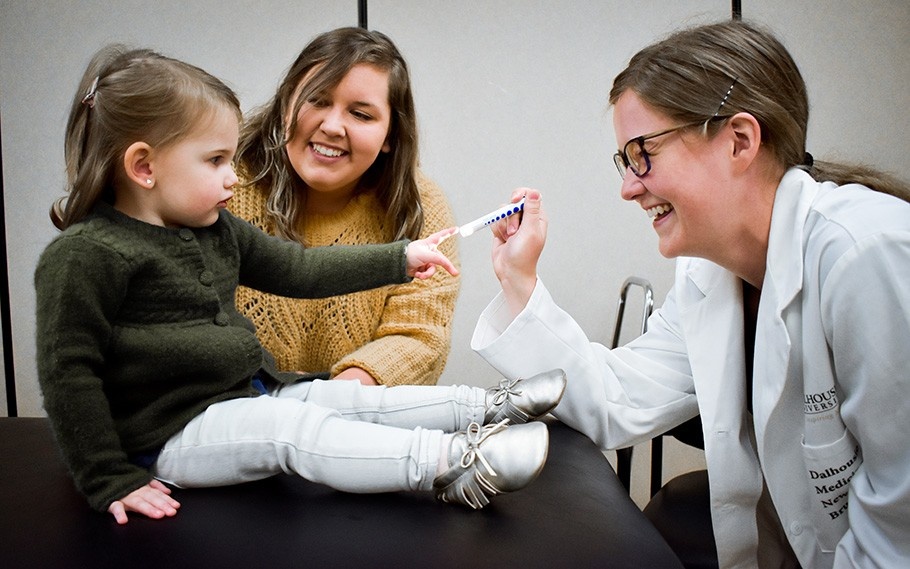
A doctor smiles at a child patient as their guardian looks on.

Med 3 begins with a brief overview of the basic skills and procedures taught in Med 1 and Med 2 to prepare you for clerkship. After this refresher known as the PIER 1, you'll move out of the classroom and into our affiliated hospitals and teaching sites for your clinical rotations.

Each year, Med 3 runs from August toSeptember of the following year, followed by designated time for your exams. All Med 3 students will complete the PIER 1 and 2 units. Med 3 students pursuing the block-based clerkship style will rotate through seven core clerkship disciplines as outlined below. Med 3 students pursuing the longitudinal integrated clerkship style will get exposure to all seven core clerkship disciplines integrated throughout the Med 3 year.

Students in both clerkship models are assessed using the same core competencies and evaluation standards. LIC students are assessed across disciplines longitudinally, while block students are assessed at the end of each rotation.

PIERs 1 and 2

PIER 1 - This two-week unit is held at the beginning of Med 3. It’s designed to refresh basic clinical and procedural skills learned in Med 1 and Med 2, introduce you to the required hospital-based clerkship behaviours, procedures and processes, and provide opportunities to learn and practice clinical problem solving in various settings.

PIER 2 - This two-week unit is held in December of Med 3. It’s designed to support and enhance your ability to successfully navigate through your clerkship experiences.

Block based rotations

Block based rotations

Number of weeks

Emergency Medicine

3

Family Medicine

6

Internal Medicine

4 weeks in general medicine, 4 weeks in a ward-based medicine subspecialty, 2 weeks in a clinic-based subspecialty (must be 100% ambulatory care) and 2 weeks in geriatric medicine.

Obstetrics and Gynecology

6

Pediatrics

6

Psychiatry

6

Surgery

Complete a mandatory 3 week general surgery rotation. There are 2, 3-week selective rotations that you can choose from the following nine surgical specialties: cardiac, neurosurgery, otolaryngology (ear, nose and throat), pediatric general surgery, plastics, orthopedics, thoracics, vascular surgery and urology.

Electives

Electives allow students to: gain experience in disciplines not offered in the regular curriculum; study particular areas of the curriculum in greater depth; and explore career opportunities. The elective period consists of 18 weeks in Phase 2 (Med 4).